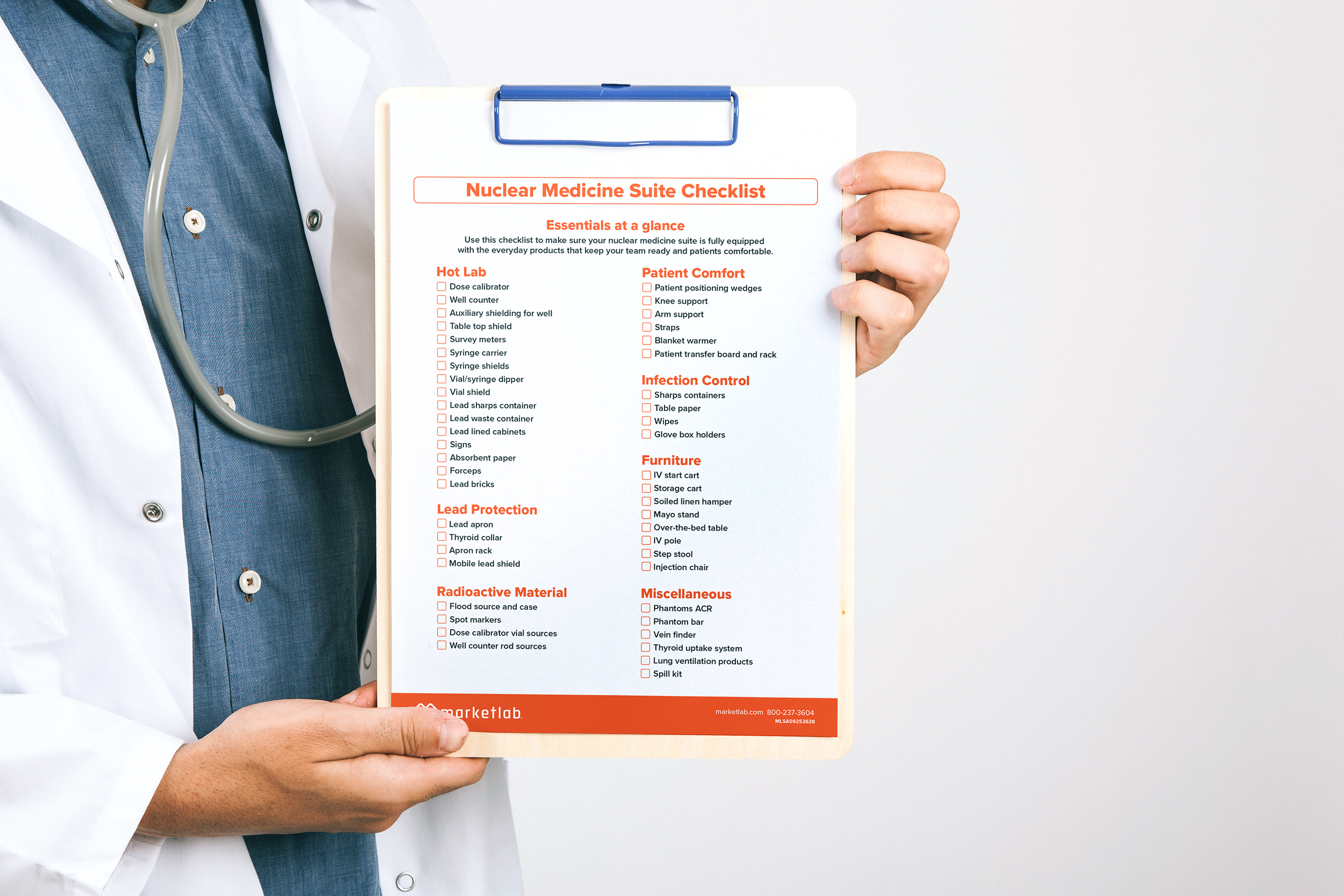
Ultimate Guide to Efficiency & Organization in the Lab
Clinical labs are essential to healthcare, diagnostics, and research. When things run smoothly, results are accurate, and teams stay focused. But small inefficiencies can quickly snowball into bigger issues that impact turnaround times, workload, and even patient care.
This guide offers practical tips to help your lab team streamline processes, reduce delays, and stay organized.

Common Lab Organization Mistakes
The Pitfalls of a Disorganized Workbench
A cluttered workspace isn’t just inefficient. It increases contamination risks and errors.
Fix Your Workbench
Declutter regularly to keep essential tools accessible.
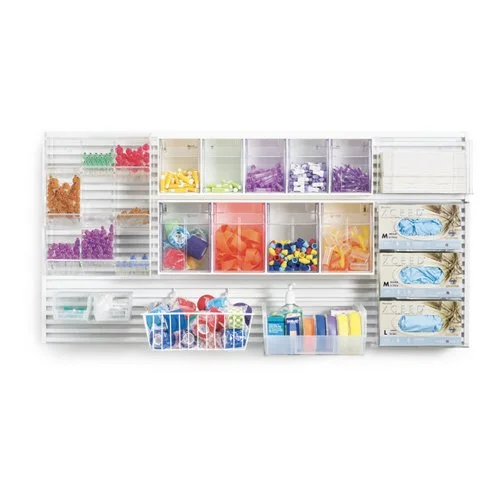
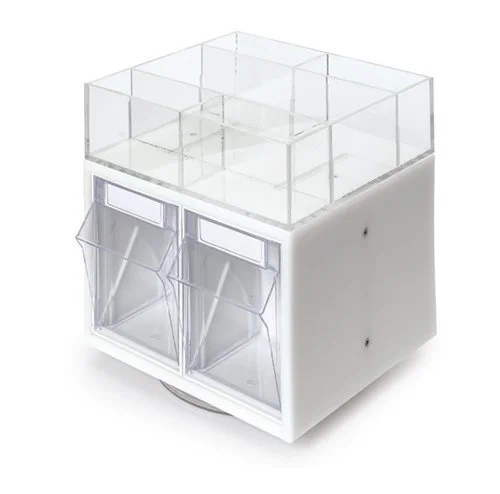
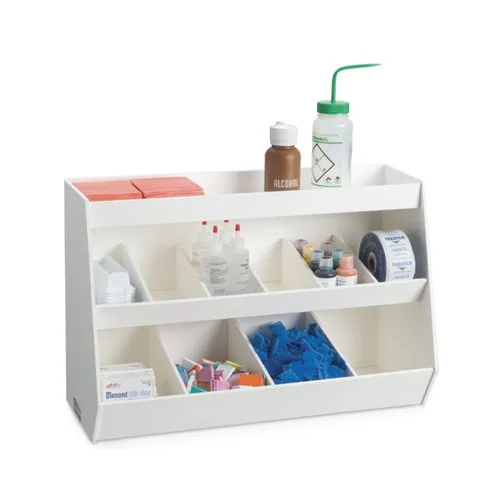
Use modular storage bins for frequently used items.
Designate zones for different types of tasks.
Organizing Your Space
Hang tools on pegboards for easy access.
Use rolling carts for mobile workstation setups.
Implement an “end-of-shift” cleanup routine.

Labeling & Storage Errors
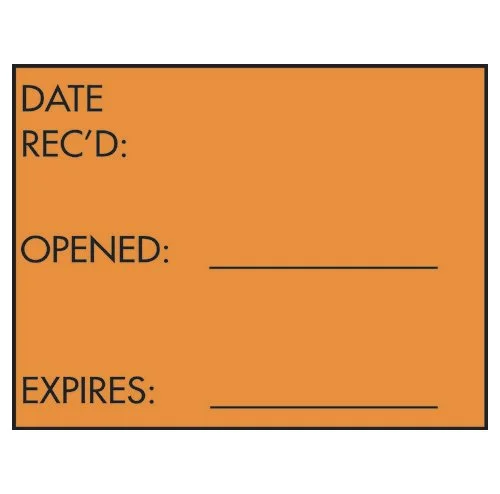
Mislabeling samples is one of the most common and preventable lab errors.
Prevent Labeling Errors
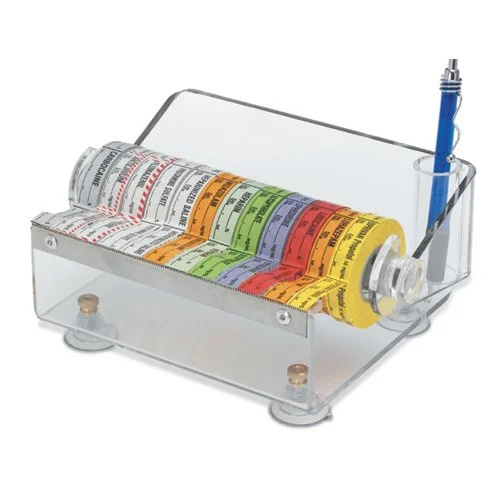
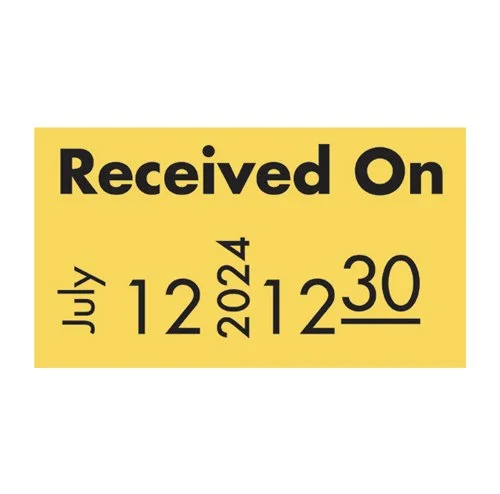
Use color-coded labels for high-priority specimens.
Ensure all labels are resistant to moisture and chemicals.
Implement a verification step before samples move forward.

Equipment Maintenance & Shared Resources
Labs often experience delays due to equipment downtime and poor resource sharing.
Keep Equipment in Check
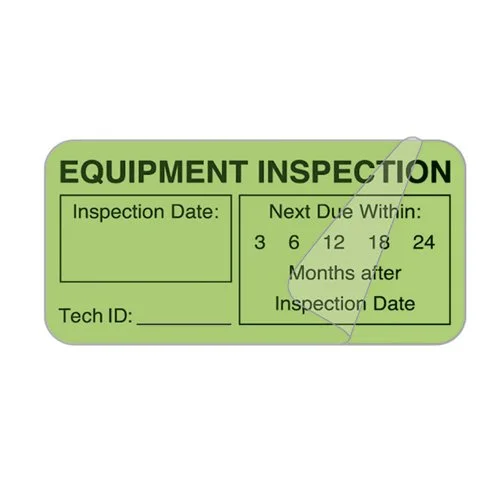
Follow a scheduled maintenance routine.
Ensure everyone logs calibration and cleaning updates.
Create a sign-out system for shared lab instruments.
Preventing Equipment Downtime
Schedule routine maintenance check-ins.
Keep backup supplies of critical reagents.
Train staff on proper equipment handling.

Time-Saving Workflow Strategies
Identifying Workflow Bottlenecks
Does your lab struggle with sample bottlenecks, equipment downtime, or inconsistent results? Small inefficiencies can quickly add up, leading to longer turnaround times and increased stress.
Common Bottlenecks
Misplaced or untracked specimens.
Overlapping tasks that cause confusion.
Delays from slow equipment maintenance.
Quick Fix
Run a workflow audit to identify where things are slowing down, then adjust accordingly.
Questions to Consider for Your Audit
Are samples getting where they need to go on time?
Are you using automation where it makes sense?
Are any steps being repeated unnecessarily?
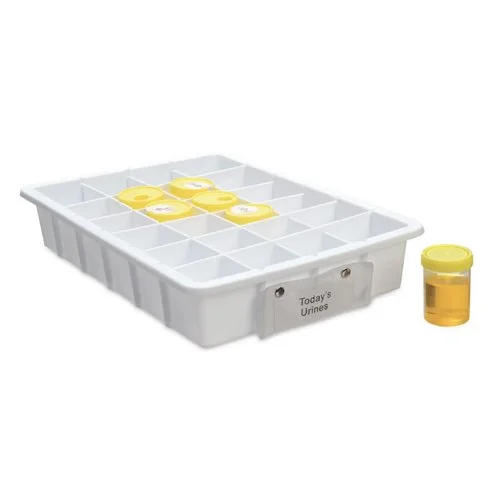

Best Practices for Sample Management
Proper handling and tracking of specimens is key to accurate results. Simple missteps like mislabeling or improper storage can cause delays and waste.
Best Practices
Use the ‘One-Touch Rule’ to minimize how often each sample is handled.
Use barcode scanning for accurate tracking.
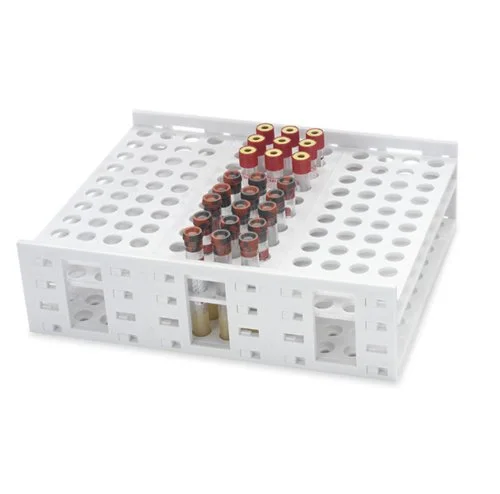
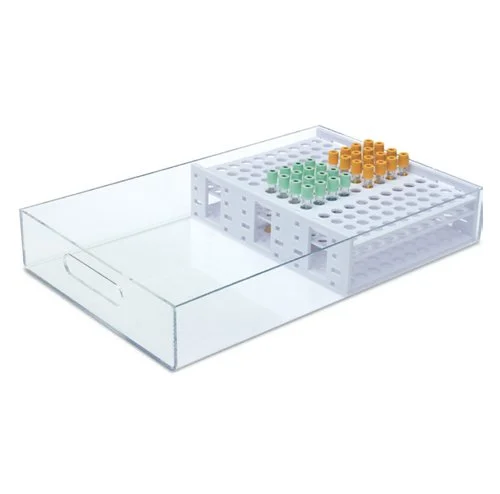
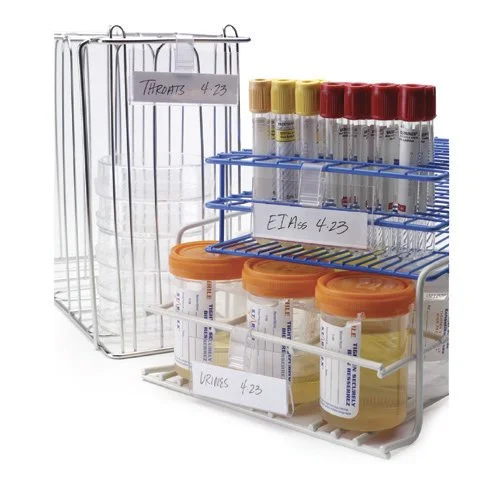
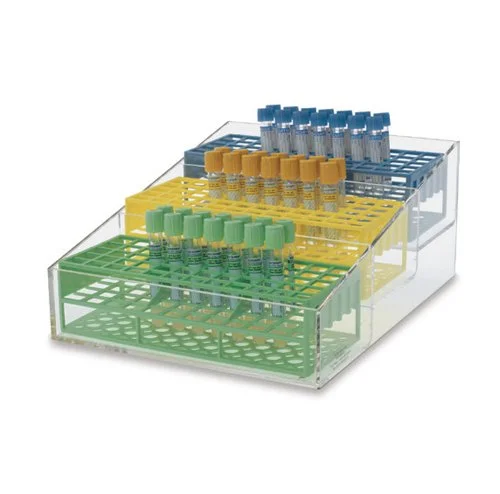
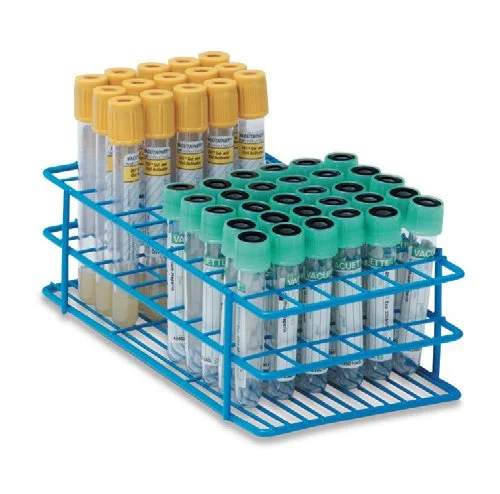
Keep high-priority samples easily accessible with organized storage racks.
Quick Labeling Tips
Color-code labels for high-risk specimens.
Use pre-labeled tubes to reduce manual errors.
Implement a double-check system for critical samples.
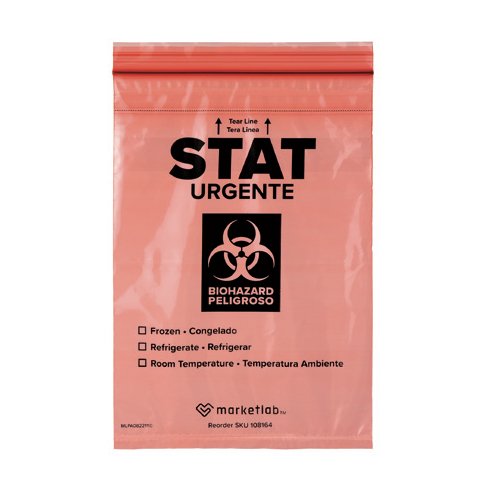


Lab Team Communication & Collaboration
Labs function best when every member is on the same page. Miscommunication leads to redundancy, errors, and lost time.
Ways to Improve Communication
Use digital tracking tools to update sample statuses in real time.
Hold quick daily check-ins to align priorities.
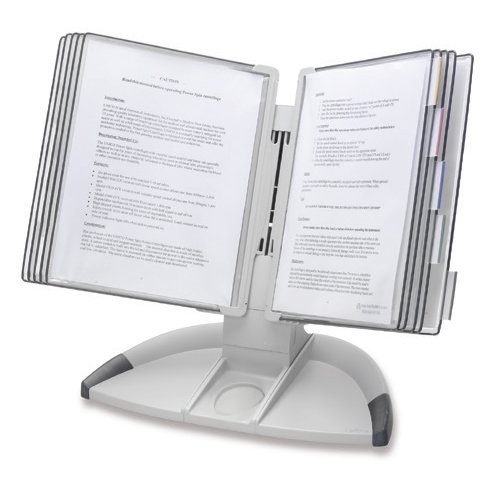
Standardize documentation to avoid confusion.
Tools for Lab Communication
Digital whiteboards for real-time task updates
Instant messaging platforms for quick collaboration
Cloud-based documentation for seamless handoffs
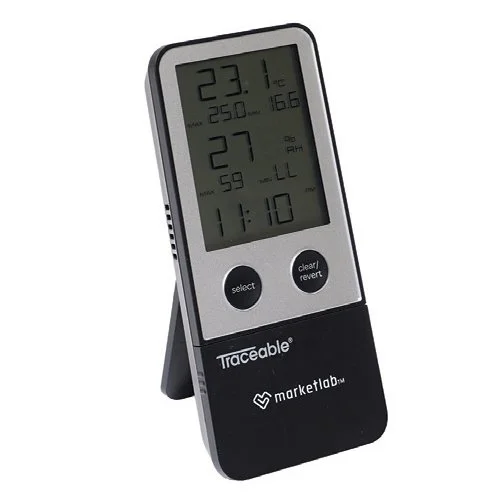

Must-Have Lab Consumables & Equipment
Essential Lab Consumables for Efficiency
Choosing the right lab consumables can save time and prevent workflow disruptions.
Must-Have Consumables
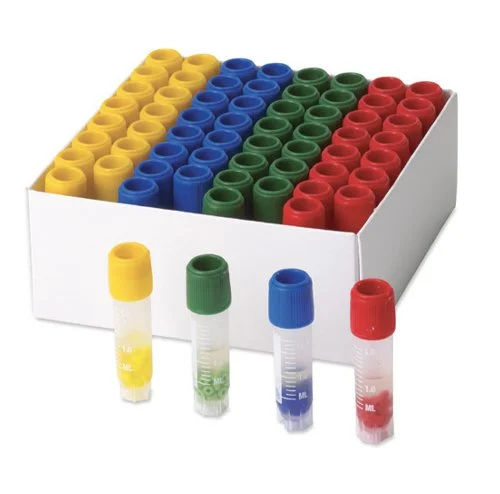
Color-coded tubes for easy sample identification.
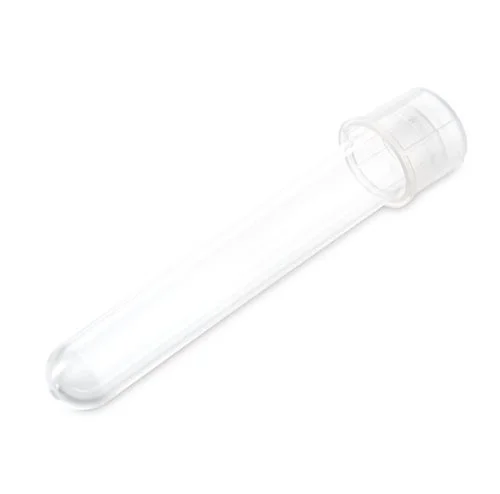
Secure snap-cap tubes to prevent leaks and contamination.
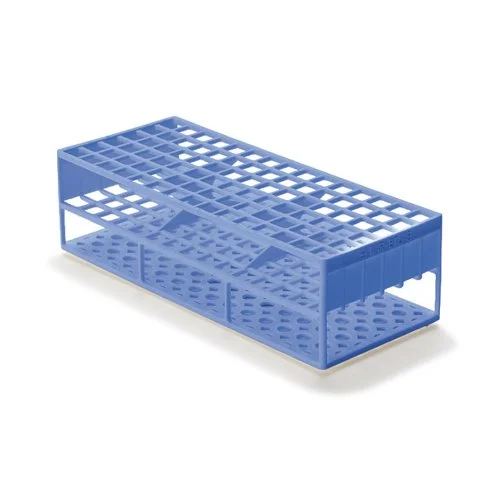
Multi-size tube racks for better workspace organization.
Storage Hacks
Stackable racks to maximize bench space
Drawer organizers for pipettes and tips
Magnetic labeling systems for rapid identification
High-Impact Lab Equipment
Investing in the right equipment can dramatically improve lab efficiency.
Essential Equipment
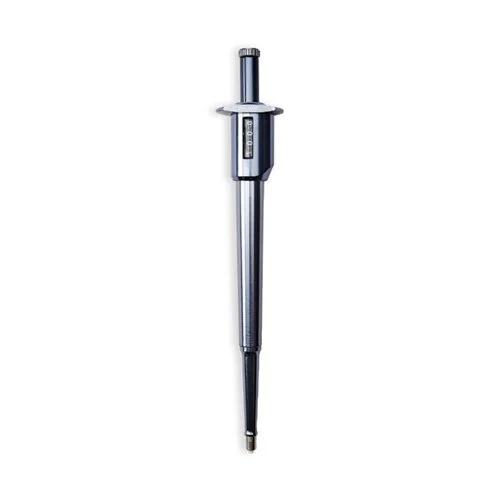
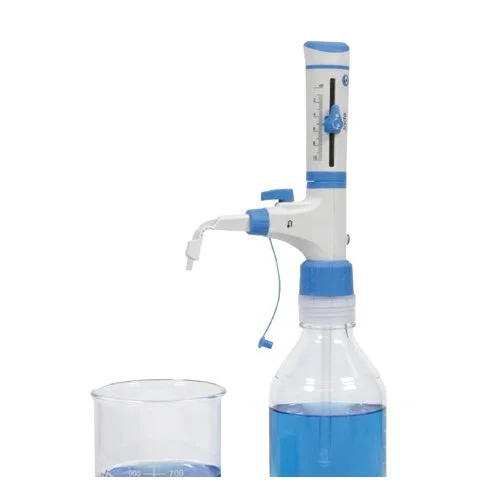
Automated pipetting systems to reduce human error.
Smart label printers for error-free tracking.
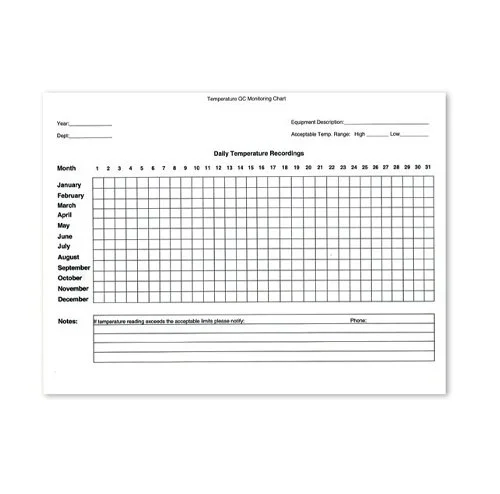
Wireless temperature monitors for continuous sample integrity.
Time-Saving Tech
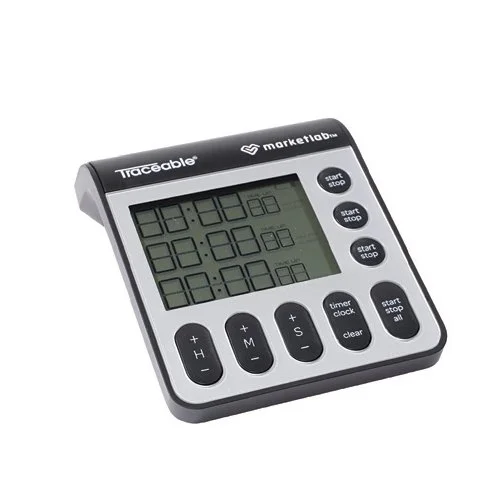
Digital timers for precise incubation tracking
Ergonomic pipettes to prevent strain injuries
Centrifuge rotor balancing tools to protect samples

Are You Prepared for a Lab Emergency?
Emergency Preparedness & Response
Emergencies can happen anytime. Being prepared minimizes damage and ensures safety.
Must-Have Emergency Plans
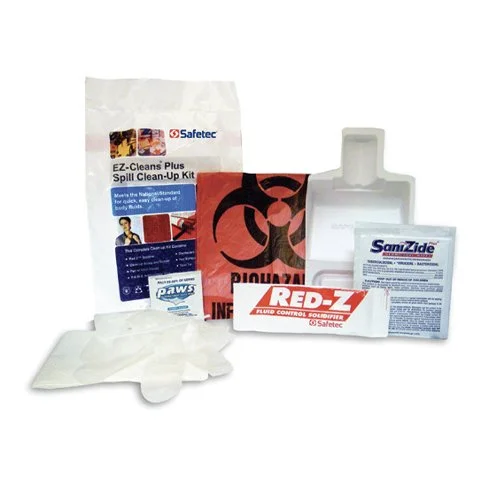
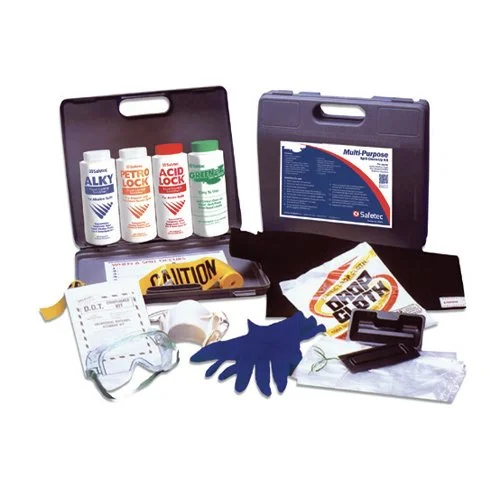
Spill response training for all staff.
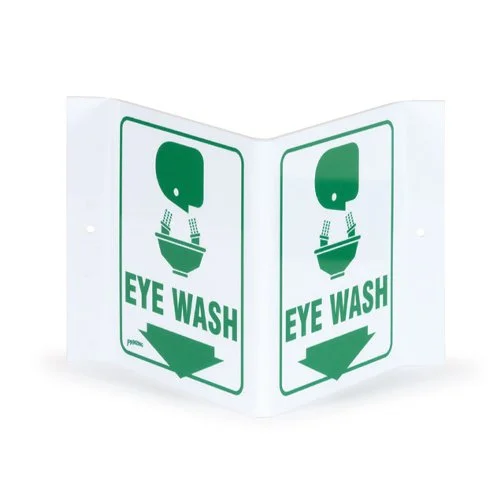
Clearly labeled fire and chemical safety stations.
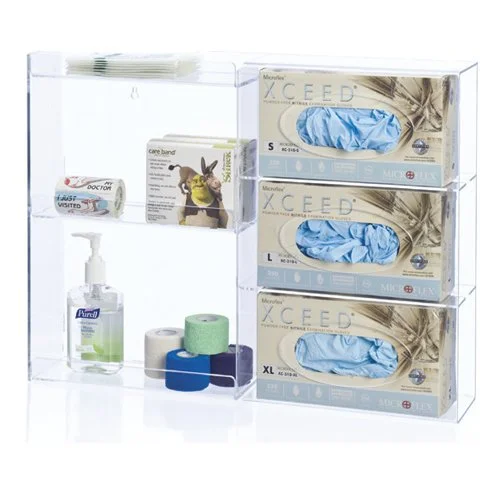
Easy access to first-aid kits and PPE.
Next Steps
By implementing the efficiency and organization strategies covered in this guide, you can streamline processes, enhance accuracy, and reduce stress in your daily work.
The key to success lies in continuous improvement and adapting new tools and methodologies that support laboratory excellence.
Connect with a Marketlab expert at 800-237-3604 or service@marketlab.com