
-
Highest risk
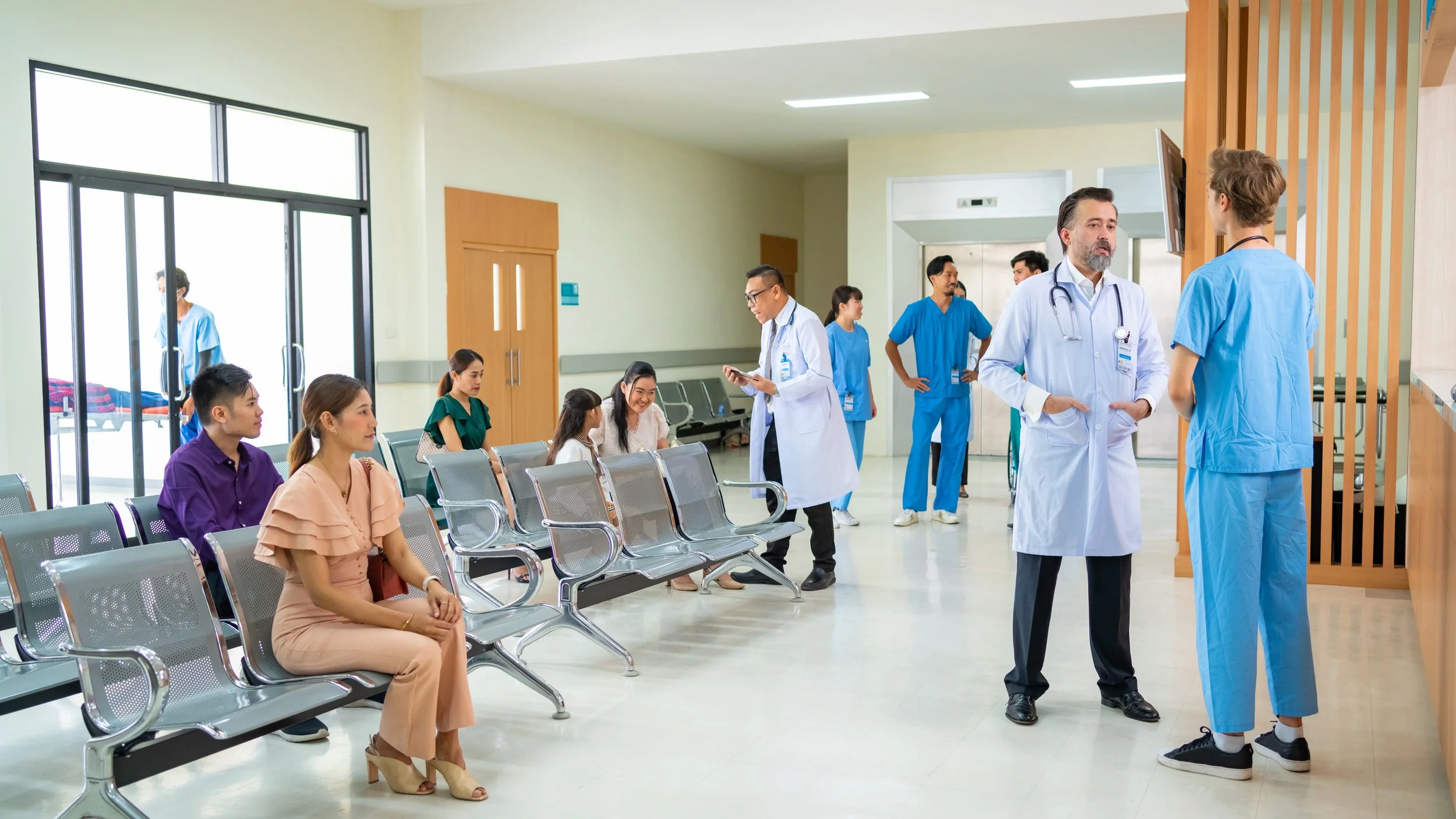
These are first-contact and high-density areas where symptomatic patients are most likely to interact with others before triage or isolation occurs.
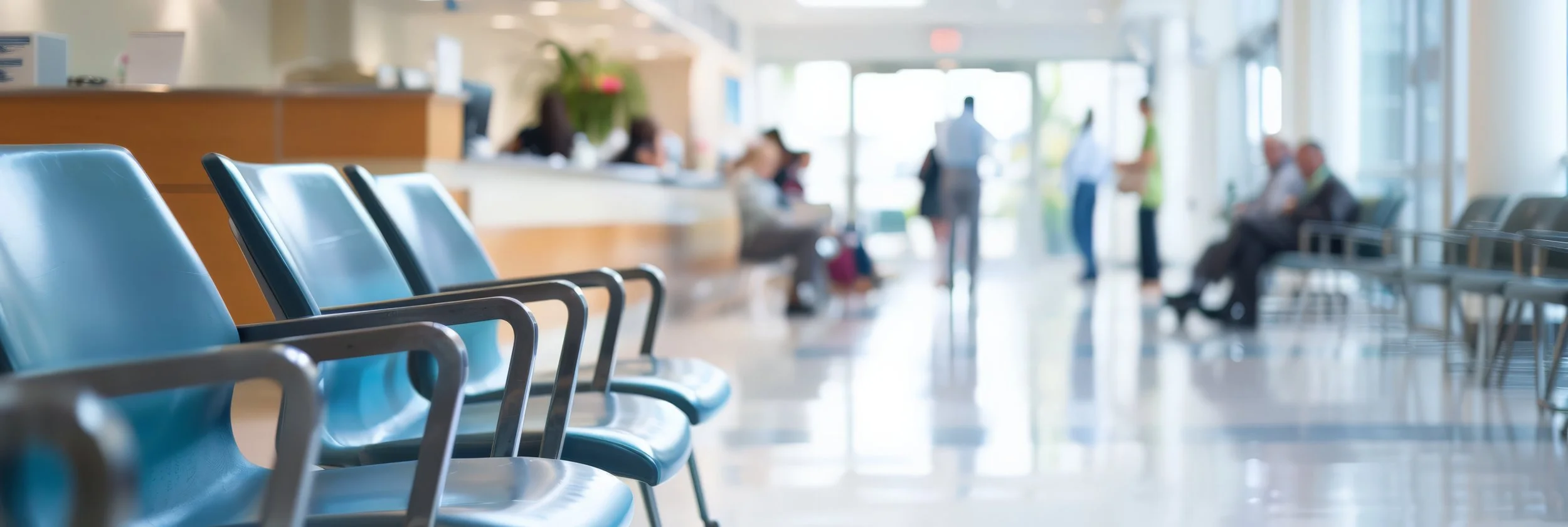
Emergency Department
Waiting rooms
Main entrance
Registration desk
-

Moderate risk
These areas see more controlled patient contact but still carry elevated risk due to shared equipment, close proximity, or vulnerable patient populations.
Nursing stations
Imaging
Laboratory
Phlebotomy
-

Lower risk
While these areas have less direct patient contact, there’s still staff-to-staff transmission risk to consider.
Break rooms
Supply rooms
Conference rooms
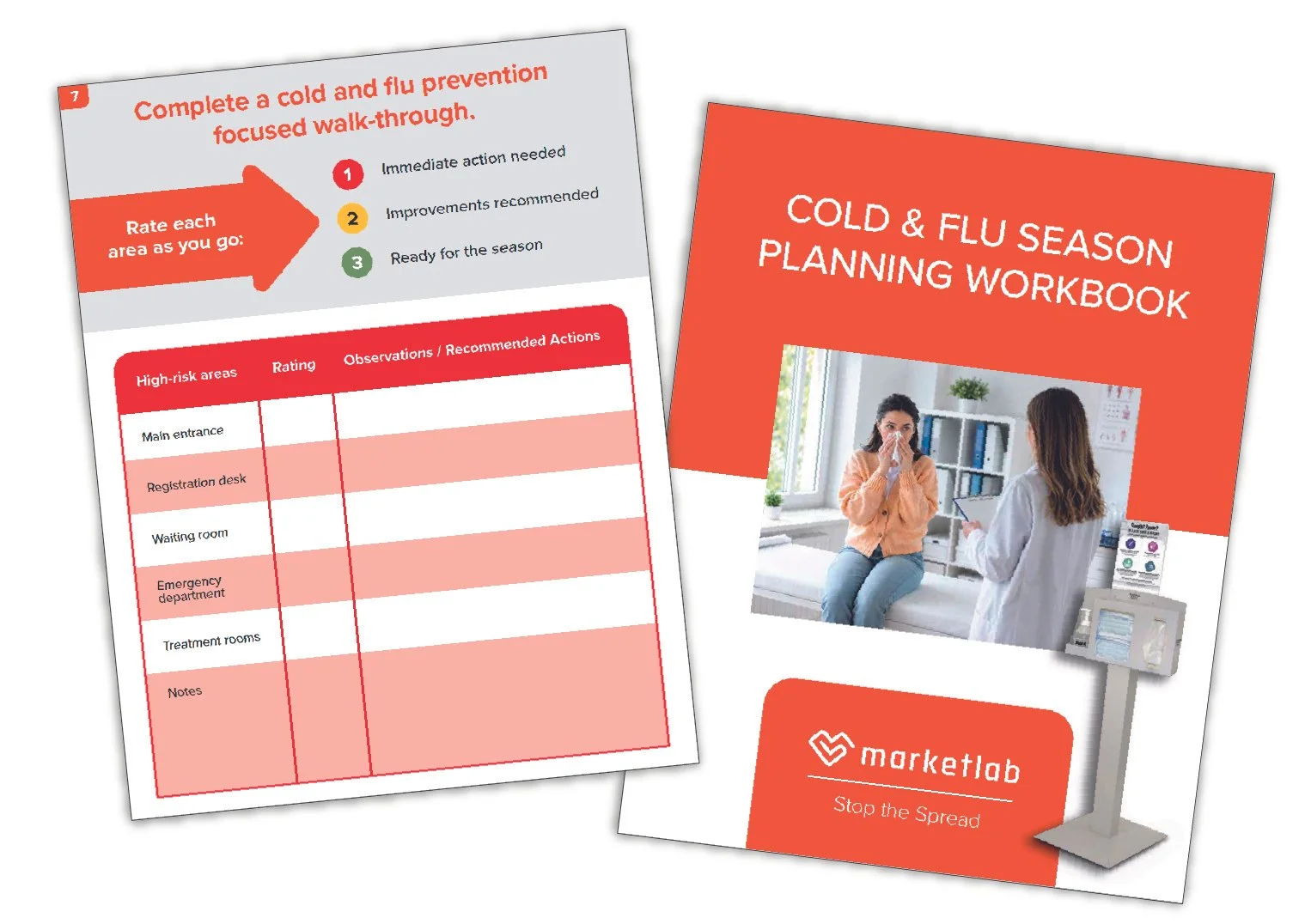
CDC guidelines for infection prevention
Patient triage and source control: masking and separating symptomatic patients at check-in
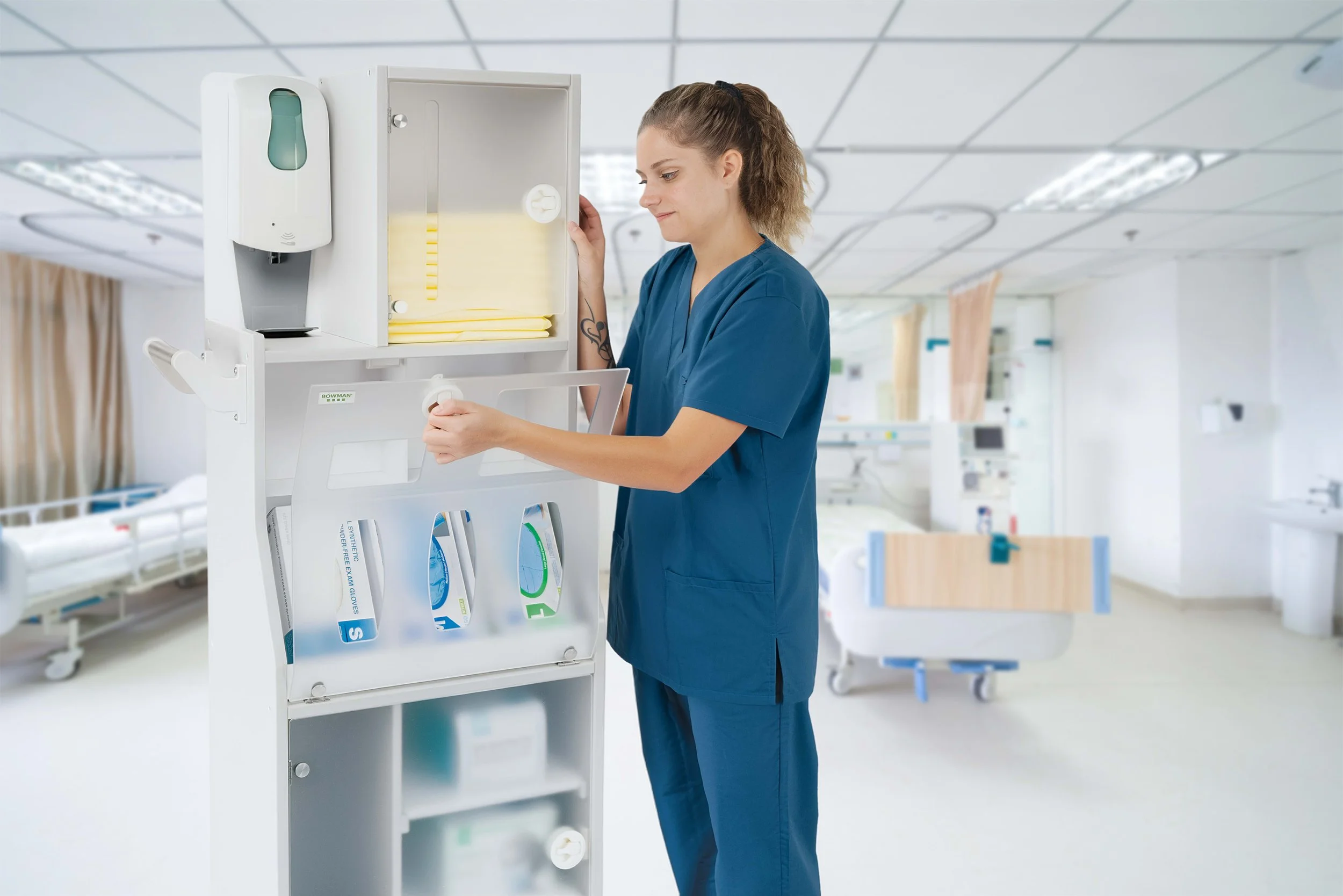
Hand hygiene and PPE availability: stocked alcohol-based hand rub and appropriate PPE (masks, gloves) at points of care
Respiratory hygiene signage and supplies: tissues, no-touch receptacles, and visible instructions in waiting areas
Environmental cleaning protocols: documented cleaning/disinfection schedules for shared surfaces and exam rooms between patients
Staff vaccination and illness policies: documented offering of influenza vaccination to staff and clear policies excluding symptomatic staff from patient contact
Written infection control plan: a designated point person and documented policies